
Call us now :08045802246
 Send Inquiry
 Send Inquiry
Thin Layer Chromatography Apparatus
Thin Layer Chromatography Apparatus Specification
- Feature
- Uniform solvent saturation, airtight seal to prevent solvent loss
- Capacity
- Simultaneous development of up to 10 TLC plates (20 x 20 cm)
- Accuracy
- Highly reproducible separation (User dependent)
- Core Components
- Glass Chamber, Lid, Support Racks, Spotting Templates
- Measurement Range
- Sample spots up to 20 x 20 cm
- Power Source
- N/A (Manual Equipment)
- Automation Grade
- Manual
- Temperature Range
- Ambient to 60°C (with optional heating tray)
- Model No
- TLC-STD-2024
- Equipment Materials
- Borosilicate Glass, Polypropylene Lid, Silicone Gasket
- Type
- Glass Chamber with Lid (Rectangular)
- Usage
- Qualitative and quantitative separation, identification of compounds
- Display Type
- N/A (Manual Operation)
- Dimension (L*W*H)
- 22 x 22 x 8 cm
- Weight
- Approximately 3.5 kg
- Cleaning
- Easy-to-clean, corrosion-resistant materials
- Compatibility
- Compatible with plastic, glass, or aluminum TLC sheets
- Suitable TLC Plate Size
- Up to 20 x 20 cm
- Number of Plates/Spots Per Run
- Up to 10 plates/20 sample spots
- Chamber Type
- Rectangular with rounded interior corners to ensure even solvent migration
- Optional Accessories
- Heating tray, UV viewing window
- Included Accessories
- Support racks, spotting templates, chamber lid
- Chamber Depth
- 8 cm
- Visible Level Mark
- Etched solvent level marking in chamber
- Sealing Mechanism
- Silicone gasket for airtight closure
About Thin Layer Chromatography Apparatus
- Spreader (Applicatior) Brass
- Perpex base (114x23cm) to support glass plates
- Plate rack Aluminium, for ten 20x20 cm or 20x10 CMS Plates
- Devloping tank with lid
- Spotting template made of perpex
- T.L.C PLATES set of five 20x20 cm & two 20x5 cm
- Glass Sprayer with rubber bellow cap 100 ml
- Micro -Pipette
- Scriber for making lines made of S.S
Effortless and Reproducible TLC Development
The rectangular chamber, crafted from robust borosilicate glass and equipped with rounded corners, delivers uniform solvent saturation. The etched level mark aids accurate solvent fill, while the silicone gasket provides an airtight seal, preventing solvent evaporation and ensuring sharp, consistent results across multiple plates.
Flexible Sample Handling and Accessories
Accommodate up to 10 TLC plates (20 x 20 cm) or 20 sample spots in each run. Included support racks, spotting templates, and chamber lid simplify setup and process management. Optional heating trays and UV viewing windows extend the apparatuss utility for advanced techniques and visualization needs.
Hassle-Free Cleaning and Reliable Construction
Made with corrosion-resistant borosilicate glass and polypropylene lid, this apparatus is easy to clean and built for longevity. Its simple manual design and durable core components make it a trusted tool for laboratories seeking precision and reproducibility in compound analysis.
FAQs of Thin Layer Chromatography Apparatus:
Q: How does the rounded interior corner design affect solvent migration in the TLC chamber?
A: The rounded interior corners of the chamber promote uniform solvent migration by preventing solvent stagnation and turbulence at the edges, which helps ensure even development and consistent separation of sample spots.Q: What types and sizes of TLC plates are compatible with this apparatus?
A: This model supports TLC plates or sheets made of plastic, glass, or aluminum with dimensions up to 20 x 20 cm. It is compatible with most commercial TLC media used for routine and research analysis.Q: When should the silicone gasket be replaced in the chambers sealing mechanism?
A: Replace the silicone gasket when you observe any signs of wear, deformation, reduced sealing, or if solvent vapor begins to escape during operation. Regular inspections help maintain airtight closure and prevent solvent loss.Q: Where is the solvent level indicated within the chamber?
A: The solvent level is marked with a visible, etched indicator on the interior wall of the chamber. This makes it easy to fill the chamber with the precise volume required for each run, reducing errors and maximizing reproducibility.Q: What is the cleaning process for the TLC chamber and accessories?
A: To clean, remove all accessories and rinse the chamber with suitable solvents or mild detergent. The borosilicate glass and polypropylene lid withstand standard laboratory cleaning agents, facilitating quick, thorough cleaning and minimizing risk of corrosion.Q: How does using support racks and spotting templates benefit my TLC workflow?
A: Support racks securely hold TLC plates during development, preventing accidental shifts, while spotting templates help apply sample spots uniformly. Together, these accessories improve workflow efficiency and enhance the accuracy of results.Q: What are the main advantages of choosing a manual TLC apparatus like the TLC-STD-2024 for laboratory separations?
A: Manual operation offers high reproducibility when user technique is precise, flexibility for a range of separations, and requires no power source. The apparatuss design facilitates accurate results, easy cleaning, and adaptability for both qualitative and quantitative work.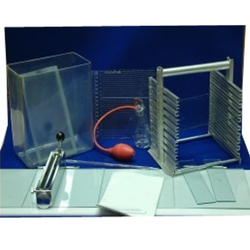
Tell us about your requirement

Price:
Quantity
Select Unit
- 50
- 100
- 200
- 250
- 500
- 1000+
Additional detail
Mobile number
Email

More Products in BIOLOGY LAB EQUIPMENT Category
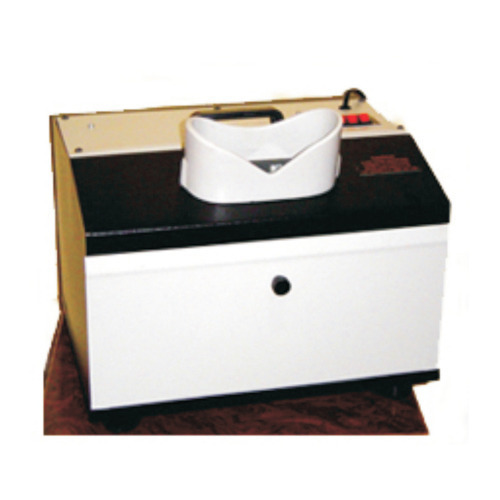
U.V Chromatography Inspection Cabinet
Price 10500 INR / Piece
Minimum Order Quantity : 1 Piece
Usage : Chromatography analysis
Feature : UV Light for Inspection
Equipment Materials : Metal Glass
Type : Inspection Cabinet

Ganong Respirometer
Price 650 INR
Minimum Order Quantity : 5 Pieces
Usage : Educational and experimental purposes in life sciences
Feature : Used for measuring respiratory gas exchange
Equipment Materials : Glass
Type : Respirometer
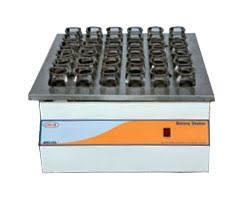
Rotary Flask Shaker
Price 22000 INR / Piece
Minimum Order Quantity : 1 Piece
Usage : Laboratory Mixing/Shaking
Feature : Variable Speed Control
Equipment Materials : Stainless Steel
Type : Rotary Flask Shaker
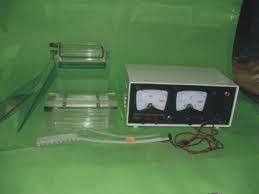
Vertical Slab Gel Mechanism Student
Usage : Student Experimentation
Feature : Compact Design
Equipment Materials : Glass and Plastic
Type : Educational Lab Equipment

 Send Inquiry
Our Products
- RESEARCH MICROSCOPE
- LABORATORY INSTRUMENTS
- LABORATORY MICROSCOPE
- CHEMISRTY EQUIPMENTS
- OPTICAL BENCHES
- AUTOMATIC PROJECTORS
- HUMAN FIBRE MODELS
- BIOCHEMISTRY EQUIPMENTS
- BIOLOGY LAB EQUIPMENT
- DIGITAL THERMOMETER
- DIGITAL HYDROMETER
- ELECTRONICS ITEMS
- PHYSIOLOGY TESTS
- PHYSIC RESEARCH INSTRUMENTS
- SODA GLASSWARE
- BOROSILICATE GLASSWARE
- PHARMACY EQUIPMENTS & INSTRUMENTS
- Thermometer
- Microscope's Camera
- Microscope's software
- Histopathology
- Operating Microscopes
- Biotechnology Instruments
- Ophthalmic Equipment
- Molecular Biology
- D-Pharmacy Equipment
- Communication Lab Instruments
- Civil Engineering
- Chemistry
- Physics
- tuning fork
- Inverimental
- Hot Air Oven
- Mortuary Chamber

No.-3111/12, Cross Road No. 10, Kacha Bazar, Ambala Cantt - 133001, Haryana, India

Mr Anil Kumar Rana
(Proprietor)
Mobile :08045802246
 Send Inquiry
 Send SMS
 Call Me Free
Developed and Managed by Infocom Network Private Limited.
