
Call us now :08045802246
 Send Inquiry
 Send Inquiry
Operating Microscope
Operating Microscope Specification
- Spare Parts
- Eyepieces, bulbs, fuses, power supply
- Features
- Adjustable magnification, coaxial LED illumination, ergonomic stand, digital image/video capture, anti-fungal optics
- View Head
- Tiltable, ergonomic design
- Focus System
- Motorized/manual focus drive
- Theory
- Operating microscope designed for precision surgical procedures, offering high-resolution magnification and illumination for enhanced visualization.
- Drawtube
- Binocular
- Sensor
- High-sensitivity digital sensor
- Resolution
- 1920 x 1080 Full HD
- Interface
- USB, HDMI output, SD Card slot
- Frame Rate
- 30 fps
- Focal Distance
- 200 mm
- Magnification
- 3x 16x (step or zoom change)
- Dimensions
- L 550 x W 400 x H 1300 mm
- Focus Range
- Manual and motorized focus adjustment (50 mm350 mm)
- Eyepieces
- Wide field 10x/12.5x WF
- Eyepiece Tube
- Inclined 45 with diopter adjustment
- Illumination
- LED coaxial illumination, adjustable intensity
- Coarse Adjustment Range
- 30 mm
- Fine Adjustment Range
- 1.5 mm precision movement
- Working Stage
- 360 rotatable, anti-vibration surface
- Still Image Capture Resolution
- Up to 12 MP
- Video Capture Resolution
- Full HD (1920x1080)
- Image Format
- JPEG, BMP
- Interpupillary Distance
- 55 75 mm adjustable
- Objective Achromatic
- Achromatic 0.5x / 1.0x / 2.0x objectives
- Condenser
- Swing out condenser, NA 1.25
- Light Source
- LED 50,000 hours lifespan, color temperature 5700 K
- Base Type
- Stable, mobile floor stand with lockable castors
- Balance System
- Counterbalanced arm for stable positioning
- Dust Cover
- Provided
- Fuse Protection
- Built-in for overload safety
- Mounting Height Adjustment
- Motorized vertical column
- Stand Material
- Powder-coated steel for corrosion resistance
- Power Supply
- 100-240 V AC, 50/60 Hz universal
- Weight
- Approx. 48 kg
- Operating Temperature
- 10C to 40C
- Color Camera Port
- Yes, integrated for external camera attachment
- Arm Movement
- Articulated with smooth and precise control
- Relative Humidity
- Up to 80% non-condensing
About Operating Microscope
SPECIFICATIONS
Surgical ENT Operating Microscope
Technical Specifications:-
Innovative design, highly versatile with Latest Three Step 90 deg. Inclined Optical system on Floor Stand with Cold light Co-axial illumination
Head: Three Step Advance Optical System
Magnification : 5x,10x & 20x
Eye Pieces : SWF 15x paired super wide field
Working Dist : F=200mm Objective Lens
Fine Focusing : Manual Fine Focusing
Light Source : LED Light Source with bright white LED Light
Arm : Counter balanced pantographic arm with 320 rotation
Floor Stand:Mobile floor stand on four caster wheels for easy handling and absolute stability
Power Supply: AC 220V 240V
5. Optional Accessories:
Beam Splitter with 'C' Mount
CCD Digital Camera
LED Screen for Live Surgery
Motorized with Foot Control
Objective lens 250mm, 300mm & 400mm
Monocular assistoscope
Binocular Assistoscope
Precision Engineering for Surgical Procedures
The microscopes articulated, counterbalanced arm and motorized controls allow surgeons to effortlessly adjust the viewing position, magnification, and focal length during operations. Enhanced by anti-vibration support and ergonomic design, the system ensures steady, comfortable usage even during lengthy procedures. Wide-field eyepieces and multiple objective lenses promote sharp, detailed visualization for various specialties.
Integrated Digital Imaging and Video Capture
Equipped with a high-sensitivity digital camera sensor, the microscope enables recording and sharing Full HD videos and 12MP still images directly via USB, HDMI, or SD card. The color camera port is compatible with most external digital cameras, supporting surgical documentation, telemedicine, and teaching purposes. The intuitive interface streamlines process control, allowing instant image capture and storage.
Enhanced Safety and Reliability
Built from powder-coated steel, this model resists corrosion and is mounted on lockable castors for secure mobility. The built-in fuse offers overload protection, while the included dust cover keeps optics clean when not in use. The unit maintains consistent performance in environments ranging from 10C to 40C with up to 80% relative humidity, ensuring durability and steady efficiency in demanding clinical settings.
FAQs of Operating Microscope:
Q: How does the operating microscope achieve smooth and precise positioning during use?
A: The microscope utilizes an articulated, counterbalanced arm that allows for fluid, controlled movement in multiple directions. This ensures surgeons can easily adjust the microscopes position with stability, critical for high-precision surgical tasks.Q: What features enable clear digital documentation and image sharing?
A: An integrated color camera port and high-sensitivity digital sensor (1920x1080 Full HD) enable capturing and sharing still images and videos. Supported USB, HDMI, and SD card outputs facilitate seamless transfer and storage, making it simple for surgical teams to document and collaborate.Q: When should the fuse protection be checked or replaced?
A: Fuse protection should be checked periodically, especially after power surges or operational anomalies. Replacement is necessary if the unit fails to power on despite being connected to a reliable supply, ensuring the device remains protected from overload.Q: Where can this microscope be effectively used?
A: Designed for surgical precision, this microscope is suitable for operating theaters, clinics, teaching hospitals, and research laboratories. Its mobile, lockable stand and dust cover add versatility for varied clinical environments.Q: What is the process for adjusting magnification and focus?
A: Magnification can be altered between 3x16x using step or zoom controls, while manual and motorized adjustments are available for focus (50350 mm range). Coarse and fine tuning options allow for quick or detailed adjustments according to procedural requirements.Q: How does the anti-vibration stage benefit surgical procedures?
A: The 360 rotatable, anti-vibration working stage minimizes movement disturbances, ensuring clear and steady visualization during critical tasks. This feature is particularly beneficial during intricate microsurgical interventions.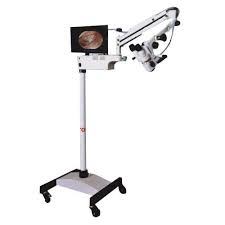
Tell us about your requirement

Price:
Quantity
Select Unit
- 50
- 100
- 200
- 250
- 500
- 1000+
Additional detail
Mobile number
Email

More Products in Operating Microscopes Category
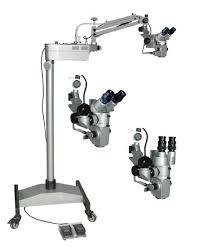
Operating Microscope(Dental)
Price 11500 INR / Piece
Minimum Order Quantity : 1 Piece
View Head : Binocular, inclinable and rotatable.
Theory : Other, Dental Operating Microscope provides highquality magnification for precision dental procedures.
Objective Achromatic : Achromatic objective lens, 200 mm standard.
Dimensions : Base: 600 mm x 600 mm; Height: 1400 mm (adjustable).

Operating Microscope
Price 12000 INR / Piece
Minimum Order Quantity : 1 Piece
View Head : Binocular head, 360 rotatable
Theory : Other, Operating Microscope is used for performing microsurgery and offers high precision visual clarity for medical professionals.
Objective Achromatic : f=200 mm achromatic objective standard (optional: f=250 mm, f=300 mm)
Dimensions : Main body: 380 x 345 x 700 mm
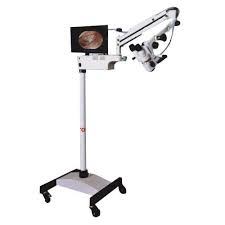
Operating Microscope
Price 11500 INR / Piece
Minimum Order Quantity : 1 Piece
View Head : Binocular Head with Adjustable Interpupillary Distance
Theory : Other, Operating Microscope
Objective Achromatic : Not available
Dimensions : Not available
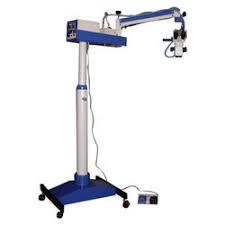
Operating Microscope
View Head : Binocular, 360 rotatable head with interpupillary adjustment
Theory : Other, Advanced optical system with highquality lens for surgical applications
Objective Achromatic : f=200 mm (standard), achromatic glass
Dimensions : Approx. 800 x 500 x 1450 mm (L x W x H)

 Send Inquiry
Our Products
- RESEARCH MICROSCOPE
- LABORATORY INSTRUMENTS
- LABORATORY MICROSCOPE
- CHEMISRTY EQUIPMENTS
- OPTICAL BENCHES
- AUTOMATIC PROJECTORS
- HUMAN FIBRE MODELS
- BIOCHEMISTRY EQUIPMENTS
- BIOLOGY LAB EQUIPMENT
- DIGITAL THERMOMETER
- DIGITAL HYDROMETER
- ELECTRONICS ITEMS
- PHYSIOLOGY TESTS
- PHYSIC RESEARCH INSTRUMENTS
- SODA GLASSWARE
- BOROSILICATE GLASSWARE
- PHARMACY EQUIPMENTS & INSTRUMENTS
- Thermometer
- Microscope's Camera
- Microscope's software
- Histopathology
- Operating Microscopes
- Biotechnology Instruments
- Ophthalmic Equipment
- Molecular Biology
- D-Pharmacy Equipment
- Communication Lab Instruments
- Civil Engineering
- Chemistry
- Physics
- tuning fork
- Inverimental
- Hot Air Oven
- Mortuary Chamber

No.-3111/12, Cross Road No. 10, Kacha Bazar, Ambala Cantt - 133001, Haryana, India

Mr Anil Kumar Rana
(Proprietor)
Mobile :08045802246
 Send Inquiry
 Send SMS
Developed and Managed by Infocom Network Private Limited.
