
Call us now :08045802246
 Send Inquiry
 Send Inquiry
Resolving Power Slit
Resolving Power Slit Specification
- Accuracy
- Up to 0.02 mm slit gap
- Capacity
- Adjustable slit width up to 0.02 mm
- Automation Grade
- Manual
- Measurement Range
- 02 mm
- Feature
- Precision adjustable slit for accurate resolution measurements
- Core Components
- Slit Jaws, Micrometer screw
- Power Source
- Manual
- Model No
- RPS-01
- Equipment Materials
- Stainless Steel and Brass
- Type
- Optical Slit
- Usage
- Spectrometer Resolving Power Test
- Dimension (L*W*H)
- 65 x 25 x 35 mm
- Weight
- Approx. 250 grams
- Jaw Material
- Brass
- Portability
- Compact and lightweight design
- Mounting
- Standard spectrometer mount compatible
- Application
- Physics laboratory, Educational, Research
- Micrometer Graduations
- 0.01 mm
- Packing
- Protective Case
- Corrosion Resistance
- High
- Finish
- Polished
- Slit Adjustment Mechanism
- Graduated Micrometer Screw
About Resolving Power Slit
Resolving Power slit
The variable slit is used in telescope for measuring resolving power i.e. a measure of its resolving limit according to Rayleighs criterion. These slits are designed with Stainless Steel jaws and allow swift movement to ensure both precision and accuracy in observations.
Precision in Spectrometry Measurements
Achieve highly accurate resolving power assessments with the RPS-01s precisely adjustable slit mechanism. The 0.01 mm micrometer graduations and manual operation deliver consistent and repeatable slit widths, essential for reliable spectrometry results.
Durable Construction and Easy Handling
Crafted from corrosion-resistant stainless steel and brass, this optical slit device is designed for lasting use in academic and research environments. Its compact, lightweight structure ensures easy transport and setup, complemented by a protective case for added security.
FAQs of Resolving Power Slit:
Q: How does the graduated micrometer screw contribute to slit width precision?
A: The graduated micrometer screw features 0.01 mm graduations, allowing users to adjust the slit width with great accuracy, up to 0.02 mm. This fine control is crucial for precise resolving power measurements in spectrometric applications.Q: What is the process for adjusting the slit width on the RPS-01 model?
A: To adjust the slit width, users simply rotate the graduated micrometer screw, which moves the brass jaws to the desired gap width. The micrometers clear graduations enable precise and repeatable settings between 0 and 2 mm.Q: When is it appropriate to use this resolving power slit in laboratory settings?
A: The resolving power slit is ideal for any optical experiments requiring precise control over slit width, such as spectrometer resolving power tests in physics classrooms, research labs, and educational demonstrations.Q: Where can the RPS-01 be mounted for use?
A: This slit mechanism is designed to be compatible with standard spectrometer mounts, making it easy to integrate into existing laboratory setups for spectrometry experiments.Q: What are the main benefits of the protective case packing?
A: The provided protective case safeguards the precision mechanism and polished finish during transport and storage, helping to maintain the longevity and performance of the device.Q: How does the choice of brass for the jaw material enhance performance?
A: Brass is chosen for its stability, resistance to corrosion, and precision machining capability, ensuring the jaws maintain even pressure and alignment for accurate slit adjustments.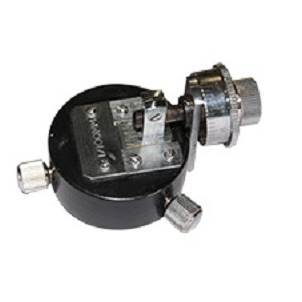
Tell us about your requirement

Price:
Quantity
Select Unit
- 50
- 100
- 200
- 250
- 500
- 1000+
Additional detail
Mobile number
Email

More Products in PHYSIC RESEARCH INSTRUMENTS Category
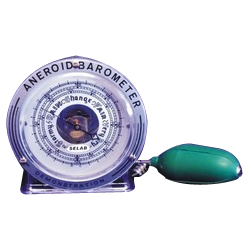
Aneroid Barometer
Feature : Measures air pressure and provides analog readings
Usage : Used for measuring atmospheric pressure in laboratories and weather tracking
Core Components : Metal casing Latex rubber bulb
Warranty : Typically 1 year or as provided by the manufacturer
Weight : Lightweight (specific weight varies by model)
Equipment Materials : Metal Glass Rubber
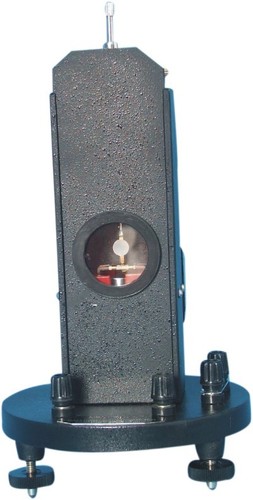
Galvo. Ballastic Bajaj Pattern
Feature : Light focusing system
Usage : Optical studies
Core Components : Aluminium Glass
Warranty : 1 Year
Weight : Approximately 2 kg
Equipment Materials : Metal Glass
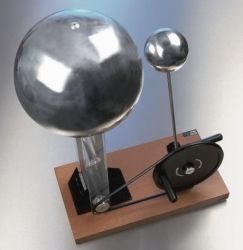
Van De Graph Hand Driven
Feature : Generates Electrostatic High Voltage
Usage : Educational and Laboratory Demonstrations
Core Components : Metal Spheres Insulated Support Hand Crank Belt
Warranty : Not Provided
Weight : Approx 2 kg
Equipment Materials : Metal Wood Plastic

Spring Sets
Feature : Durable and Flexible
Usage : Industrial Automotive
Core Components : Steel
Warranty : Standard Manufacturer Warranty
Weight : Based on Dimensions
Equipment Materials : Stainless Steel

 Send Inquiry
Our Products
- RESEARCH MICROSCOPE
- LABORATORY INSTRUMENTS
- LABORATORY MICROSCOPE
- CHEMISRTY EQUIPMENTS
- OPTICAL BENCHES
- AUTOMATIC PROJECTORS
- HUMAN FIBRE MODELS
- BIOCHEMISTRY EQUIPMENTS
- BIOLOGY LAB EQUIPMENT
- DIGITAL THERMOMETER
- DIGITAL HYDROMETER
- ELECTRONICS ITEMS
- PHYSIOLOGY TESTS
- PHYSIC RESEARCH INSTRUMENTS
- SODA GLASSWARE
- BOROSILICATE GLASSWARE
- PHARMACY EQUIPMENTS & INSTRUMENTS
- Thermometer
- Microscope's Camera
- Microscope's software
- Histopathology
- Operating Microscopes
- Biotechnology Instruments
- Ophthalmic Equipment
- Molecular Biology
- D-Pharmacy Equipment
- Communication Lab Instruments
- Civil Engineering
- Chemistry
- Physics
- tuning fork
- Inverimental
- Hot Air Oven
- Mortuary Chamber

No.-3111/12, Cross Road No. 10, Kacha Bazar, Ambala Cantt - 133001, Haryana, India

Mr Anil Kumar Rana
(Proprietor)
Mobile :08045802246
 Send Inquiry
 Send SMS
 Call Me Free
Developed and Managed by Infocom Network Private Limited.
