
Call us now :08045802246
 Send Inquiry
 Send Inquiry
Liquid Convection Apparatus
Liquid Convection Apparatus Specification
- Model No
- LCA-101
- Accuracy
- ±0.5°C
- Automation Grade
- Manual
- Temperature Range
- Room Temperature to 90°C
- Core Components
- Heater, Glass Chamber, Insulation, Thermometers, Control Panel
- Voltage
- 220V AC
- Measurement Range
- 0°C to 100°C
- Frequency
- 50 Hz
- Power Source
- Electric
- Capacity
- 2 Litres
- Feature
- Transparent Chamber for Visual Observation
- Equipment Materials
- Borosilicate Glass and Stainless Steel
- Type
- Educational Laboratory Apparatus
- Usage
- Demonstration of Natural Convection in Liquids
- Display Type
- Analog
- Dimension (L*W*H)
- 500 mm x 300 mm x 450 mm
- Weight
- Approx. 8 kg
- Insulation Material
- Glass wool
- Safety Features
- Thermal cut-off, Overheat protection
- Power Cord Length
- 1.5 meters
- Thermometer Type
- Mercury-in-glass, paired
- Application
- For heat transfer experiments in academic labs
- Heater Capacity
- 500 Watts
- Setup Time
- Less than 10 minutes
- Chamber Shape
- Rectangular with observation window
About Liquid Convection Apparatus
Liquid Convection Apparatus
This rectangular glass frame (19 x 24 cm) has an opening at the top for filling with water. When clamped upright and heated at the bottom corner, you can visualize the circulation of water in a hot water system. You need food coloring, heat source and stand.
Efficient and Safe Educational Tool
This apparatus is meticulously engineered for safe and efficient demonstration of heat transfer and convection in liquids. The built-in safety mechanisms, including thermal cut-off and overheat protection, safeguard users and equipment. Its glass wool insulation maximizes energy efficiency by minimizing heat loss during experiments.
User-Friendly Design and Rapid Setup
Setting up the Liquid Convection Apparatus is hassle-free and requires less than ten minutes. Its compact design, analog display, and manual controls make it accessible for educators and students alike. The apparatus operates on standard 220V AC, with a 1.5-meter power cord for convenient placement anywhere in the lab.
Transparent Chamber for Visual Learning
The rectangular chamber crafted from durable borosilicate glass features a clear observation window, allowing for direct visualization of convection patterns. This promotes a comprehensive understanding of natural convection phenomena, making it ideal for academic demonstrations and laboratory instruction.
FAQs of Liquid Convection Apparatus:
Q: How do I properly set up the Liquid Convection Apparatus before conducting experiments?
A: To set up the apparatus, position it on a stable laboratory surface, fill the chamber with up to 2 litres of liquid, and connect the power cord to a 220V AC outlet. Attach the paired mercury-in-glass thermometers, ensuring they are securely placed. The setup process typically takes less than ten minutes.Q: What safety features are incorporated into this apparatus?
A: The Liquid Convection Apparatus comes with essential safety features such as a thermal cut-off and overheat protection. These mechanisms automatically shut off the heater to prevent excessive temperatures, ensuring safe operation during experiments.Q: When is this apparatus most effectively used in an academic setting?
A: This apparatus is ideally utilized during laboratory sessions focusing on heat transfer and natural convection. It provides visual demonstrations and hands-on experience for students learning about thermal dynamics in liquids.Q: Where can the convection patterns be observed during experiments?
A: Convection patterns can be directly observed through the transparent borosilicate glass chamber, featuring a specialized observation window. This allows for clear tracking of fluid motion and temperature variations throughout the experiment.Q: What process should be followed to measure temperature changes accurately in the liquid?
A: Ensure the mercury-in-glass thermometers are inserted at the designated points in the chamber. Monitor the temperature on the analog display, which has an accuracy of 0.5C, within a range of 0C to 100C. Record readings at regular intervals for precise data analysis.Q: What is the main benefit of using this apparatus in laboratory experiments?
A: The main benefit is its ability to visually and quantitatively demonstrate the principles of natural convection in liquids, offering students both theoretical knowledge and practical insight into heat transfer phenomena.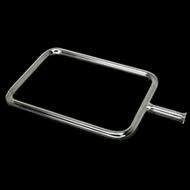
Tell us about your requirement

Price:
Quantity
Select Unit
- 50
- 100
- 200
- 250
- 500
- 1000+
Additional detail
Mobile number
Email

More Products in Physics Category
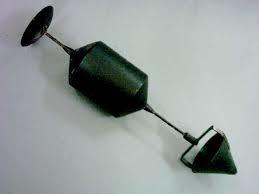
Nicholsons Hydrometer
Price 590.00 INR
Minimum Order Quantity : 10 Pieces
Usage : Laboratory and industrial applications
Core Components : Glass tube float scale
Display Type : Analog
Equipment Materials : Glass and metal components
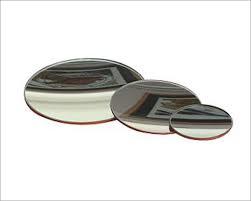
Mirror Concave Convex
Price 44 INR
Minimum Order Quantity : 50 Units
Usage : Optical Experiments Scientific Applications Reflection Studies
Core Components : Premium Glass and Metal Frame
Display Type : Reflective Surface
Equipment Materials : Glass Metal
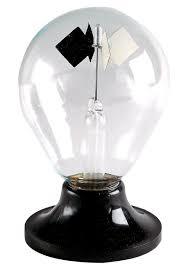
Crookes Radiometer
Price 750 INR
Minimum Order Quantity : 5 Pieces
Usage : Demonstrating light pressure and thermodynamics
Core Components : Glass Bulb Vanes Spindle
Display Type : Analog
Equipment Materials : Glass Metal
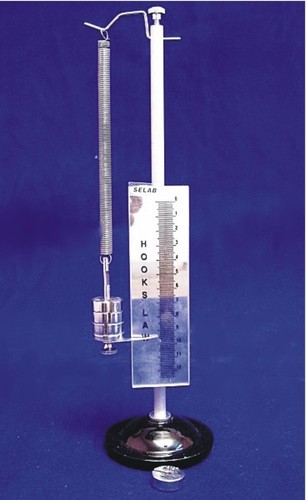
Hooks Law Apparatus
Usage : Educational and Laboratory Experiments
Core Components : Spring Weight Holder Scale
Display Type : Direct Scale
Equipment Materials : Metal and Acrylic

 Send Inquiry
Our Products
- RESEARCH MICROSCOPE
- LABORATORY INSTRUMENTS
- LABORATORY MICROSCOPE
- CHEMISRTY EQUIPMENTS
- OPTICAL BENCHES
- AUTOMATIC PROJECTORS
- HUMAN FIBRE MODELS
- BIOCHEMISTRY EQUIPMENTS
- BIOLOGY LAB EQUIPMENT
- DIGITAL THERMOMETER
- DIGITAL HYDROMETER
- ELECTRONICS ITEMS
- PHYSIOLOGY TESTS
- PHYSIC RESEARCH INSTRUMENTS
- SODA GLASSWARE
- BOROSILICATE GLASSWARE
- PHARMACY EQUIPMENTS & INSTRUMENTS
- Thermometer
- Microscope's Camera
- Microscope's software
- Histopathology
- Operating Microscopes
- Biotechnology Instruments
- Ophthalmic Equipment
- Molecular Biology
- D-Pharmacy Equipment
- Communication Lab Instruments
- Civil Engineering
- Chemistry
- Physics
- tuning fork
- Inverimental
- Hot Air Oven
- Mortuary Chamber

No.-3111/12, Cross Road No. 10, Kacha Bazar, Ambala Cantt - 133001, Haryana, India

Mr Anil Kumar Rana
(Proprietor)
Mobile :08045802246
 Send Inquiry
 Send SMS
Developed and Managed by Infocom Network Private Limited.
